What Yahya saw as a boy that pushed him to become a diabetologist

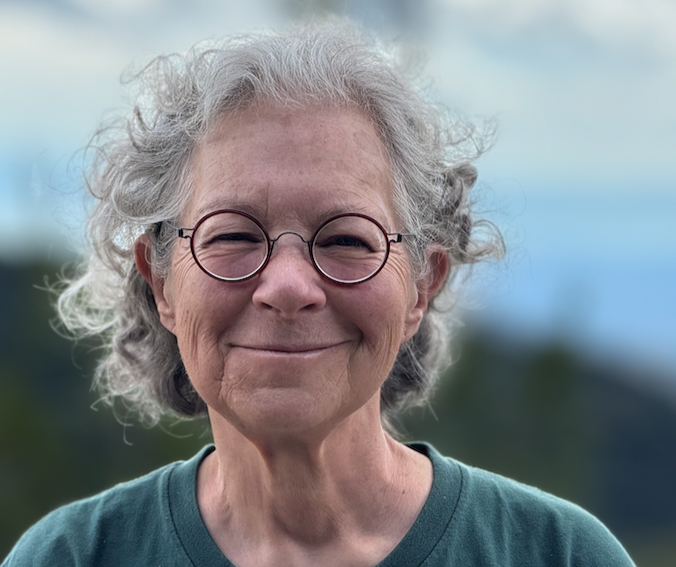
Above Yahya Ur Rehman, final year MBBS student at Liaquat University of Medical and Health Sciences in Pakistan

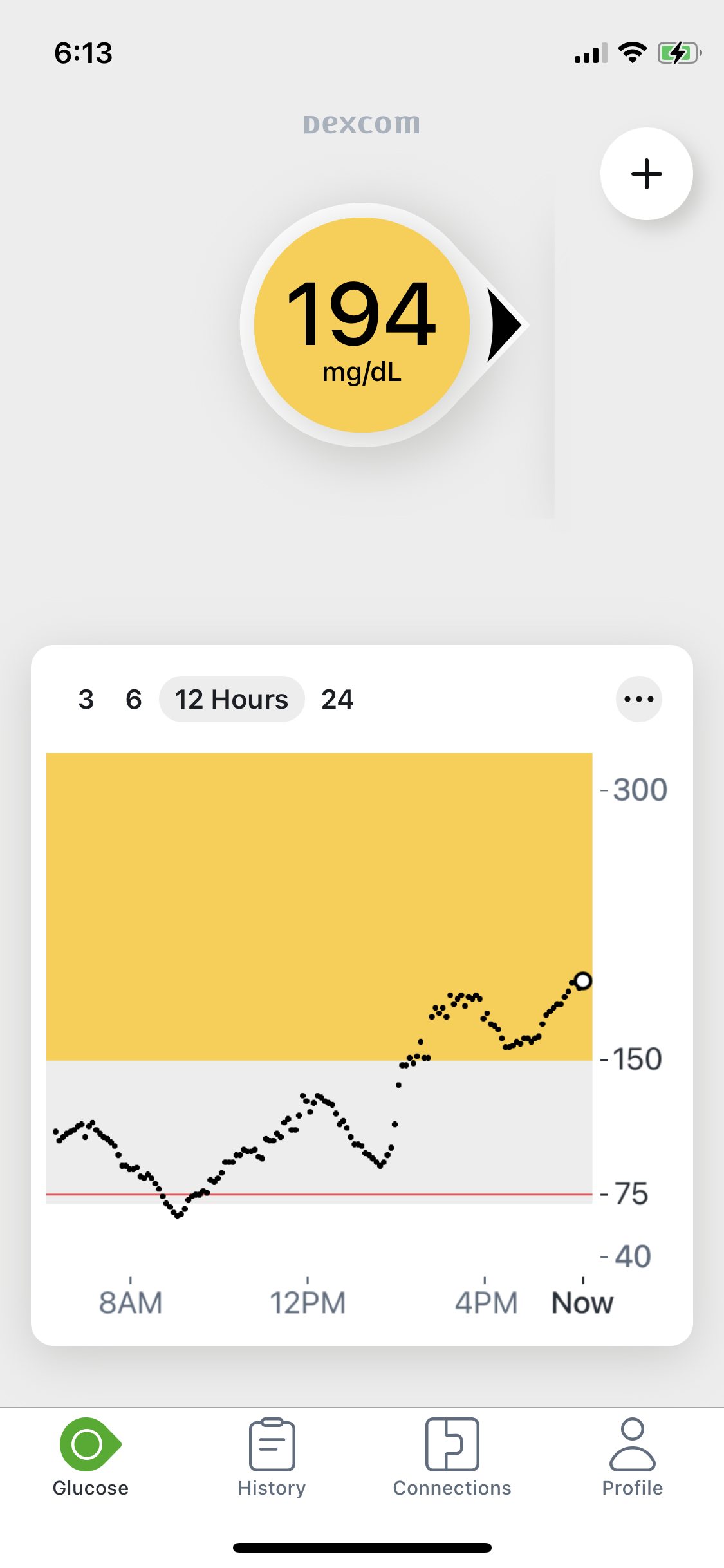
Yahya wrote to me to share his story and I want to share it with you, below. It’s unique in that this young man, at only twelve years old, not only saw his future, but saw how lacking diabetes treatment is in education and connection.

“In 2013, at age of 12, my life took an unexpected turn. I was diagnosed with type 1 diabetes. The news was overwhelming, but my frequent visits to the diabetologist soon became a part of my routine. It was during one of these visits that I witnessed something that would forever change the course of my life.

A young boy, no older than five, sat in the waiting room with his father. The father was a farmer, appearing bewildered as the doctor explained his son’s condition. The doctor prescribed insulin, but it was clear that the father had no understanding of what diabetes entailed or how to manage it. There was no mention of the importance of carrying sweet products to counteract hypoglycemia or the dangers of hyperglycemia. It struck me that counseling was just as crucial as the prescription itself.

Watching this interaction, I realized the significant gap in healthcare education for people from underprivileged backgrounds. At that moment, I decided that I wanted to make a difference. I resolved to pursue a career in the medical field, driven by a desire to bridge this gap and provide comprehensive care and education to patients.

Determined and focused, I poured my heart into my studies. Six years of relentless hard work paid off when I was accepted into the MBBS program at

Liaquat University of Medical and Health Sciences on merit in 2019. It was a proud moment, but I knew the journey ahead would not be easy.

One day, during my clinical rotations, I encountered a patient who reminded me of the young boy I had seen years ago. This patient, too, was from a rural area and had little understanding of his condition. I took the time to explain everything in detail, ensuring he understood how to manage his diabetes. The gratitude in his eyes was a profound moment of human connection that reaffirmed my purpose.

As I progressed through my medical education, I became increasingly involved in patient counseling during my clinical rotations. I found immense satisfaction in taking the time to educate patients about their conditions, management strategies, and the importance of lifestyle modifications. This hands-on experience deepened my understanding of the challenges faced by individuals with diabetes, especially those from underserved communities.

Throughout my journey, I learned invaluable lessons on the frontlines of healthcare. I discovered the importance of empathy, patience, and the power of education. I also witnessed the transformative potential of innovative treatments and breakthroughs in diabetes management. For instance, I learned about continuous glucose monitors and insulins, which have revolutionized diabetes care and improved the quality of life for many patients.

These experiences reinforced my aspiration to become a diabetologist. I wanted to dedicate my career to helping people manage their diabetes through both medical treatment and comprehensive counseling. I believed that empowering patients with knowledge about their condition was crucial for effective management and better outcomes.

Today, as a final-year MBBS student, I am more committed than ever to this goal. I actively participate in counseling sessions during my clinical rotations, focusing on educating patients about diabetes management, dietary habits, and the importance of regular exercise. I emphasize the significance of understanding the symptoms of hypo- and hyperglycemia and the steps to take in each scenario. Additionally, I encourage patients to maintain open communication with their healthcare providers and to never hesitate to ask questions or seek clarification.

My journey has not been without challenges. Balancing the demands of medical school with my commitment to patient counseling has required meticulous time management and unwavering dedication. However, the rewards have been immeasurable. Every person I help, every life I touch, reinforces my belief in the path I have chosen.

Looking back, my own diagnosis of type 1 diabetes was a life-changing encounter that set me on a path to help others navigate their own health challenges with knowledge and confidence. It has been a journey of personal growth, professional development, and profound human connections. I am grateful for the opportunity to make a difference in the lives of others and to contribute to the field of diabetes care.

As I prepare to complete my medical education and embark on my career as a diabetologist, I remain committed to my mission. I strive to provide not only medical treatment but also the necessary welfare and counseling to my patients. My goal is to ensure that no one leaves my office feeling as lost and confused as that farmer did years ago. I am dedicated to bridging the gap in healthcare education and empowering my patients to take control of their health.

In the years to come, I hope to continue learning and growing as a healthcare professional. I aim to stay abreast of the latest advancements in diabetes care and to integrate innovative treatments into my practice. Most importantly, I aspire to be a source of support, guidance, and inspiration for my patients, helping them lead healthier, more fulfilling lives.”
Forgive the rage bolus, so cunning, so calculating, so primed to take us down

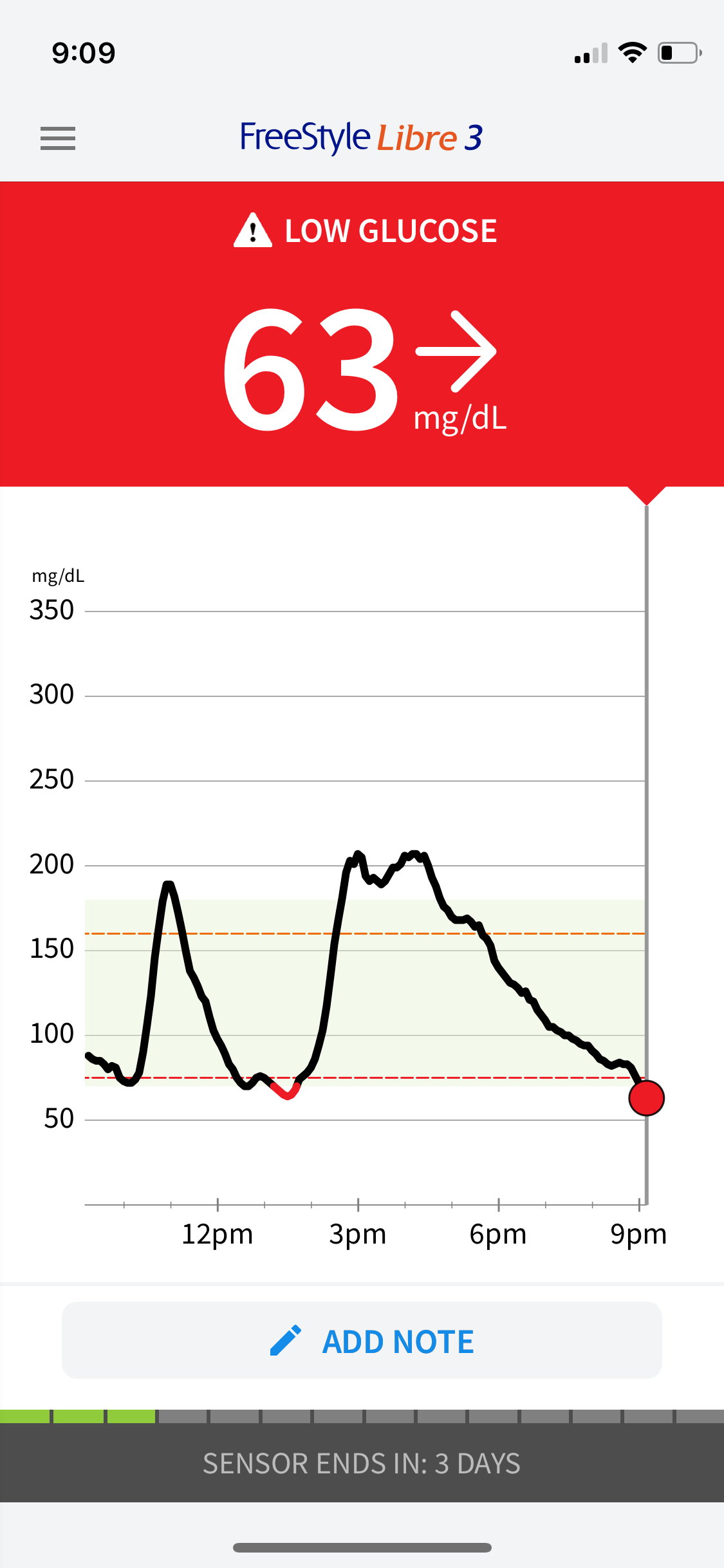
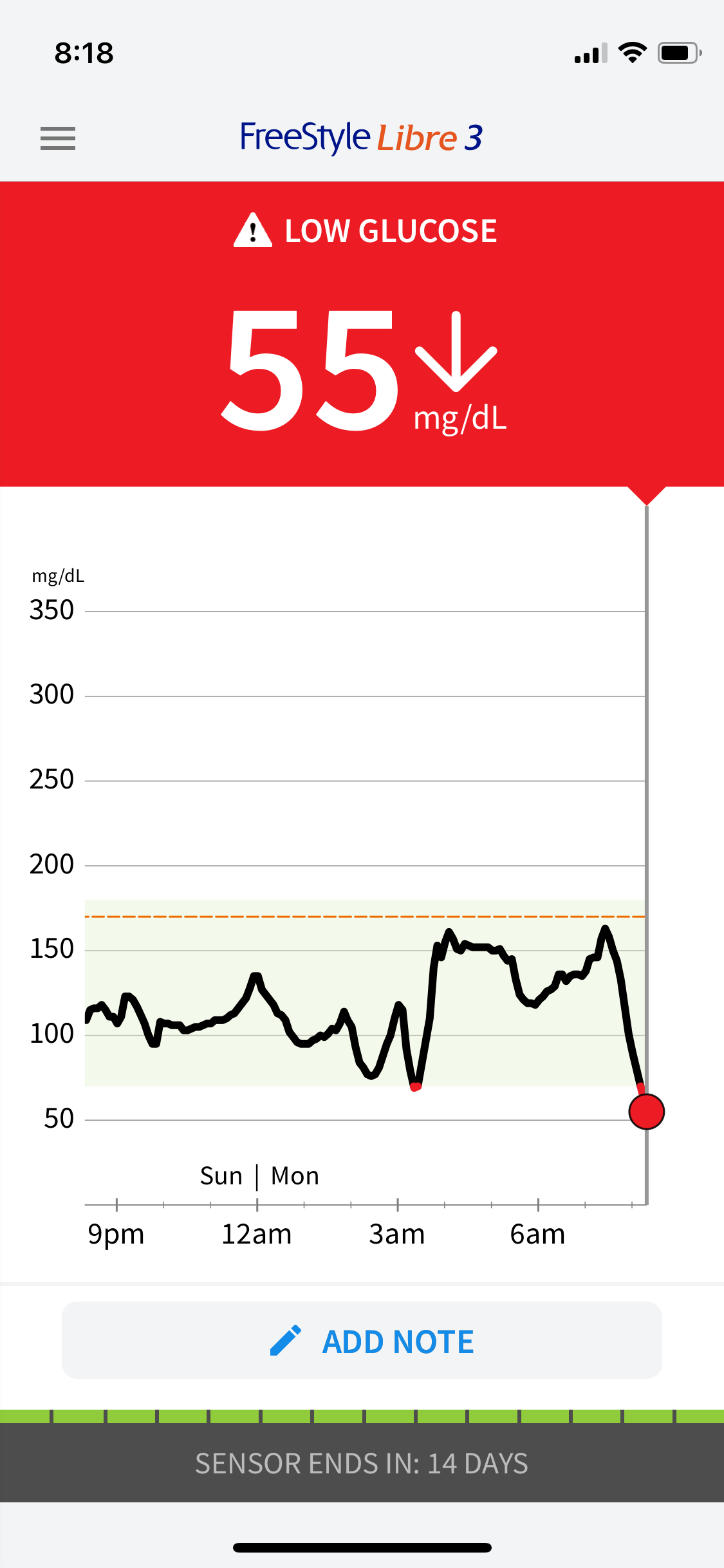
So what the heck is that above? At 4 am I appear to be 170 mg/dl. I was 173 mg/dl when I checked upon waking and 166 mg/dl when I checked on my meter. I checked because this is unusual for me and I just put this sensor on yesterday, and we know they can go wacky in the first 24 hours. Yet, that it was not.

Since I typically need 2 units when I wake up a little high, let’s say 130 mg/dl – one for the Dawn Effect and 1 for my coffee. – my fingers skipped my rationale calculating mind and pushed the plunger down on 3 units. After all, I was 170!

An hour later I paid for my impulsivity. 55 mg/dl (also confirmed on my meter) was the bottom only because I finally ate a teaspoon of honey and 1 jelly bean. FYI I hate to eat for no other reason than I have to, so I usually wait it out like a Tiger Mom watching how far and fast my numbers go up and down.

I think unfortunately the rage bolus is here to stay. It’s just the expression of human emotion. We want to rectify a troubling situation FAST. Even I, who generally follows Dr. Richard Bernstein’s “law of small numbers” (google it for the short explanation) gets sucked in when my emotions override my better thinking; but of course I can blame it on neurobiology saying my perhaps to say it’s really not my fault at all as it’s my amygdala gets hijacked and I just go along.

Then, the only thing you can do, the only route back to sanity is self-forgiveness. Luckily today I had the fortitude to bestow that gift upon myself. I wish you the same.

Diabetes Sisters brings outstanding peer & professional support to women with diabetes

Diabetes Sisters has a new look – and a forward looking agenda. They are working to be THE support organization for women and their health, and they’re well on their way.

The photo above documents their offerings. Among them are weekly virtual meet-ups. While a few years ago the groups were run locally face to face, the pandemic brought the groups online where they have stayed. The advantage is now you can attend any group, anywhere, and as many as you like.

I’ve been doing a lot of work with the leads of Diabetes Sisters, Donna Rice, Michele Polz, Shelby Kinnaird and Kristy Farnoly since last November when I wrote an article in their December newsletter that we can’t control blood sugar. I can vouch that these women’s concern is you. To bring you everything in their power to help you thrive.

I can also vouch that flourishing with diabetes lies very much at the foundation of Diabetes Sisters’ new platform. There are regular expert talks on issues that affect women’s health. Some are given by medical experts, others by patient experts. And I kicked off the Expert Series last month with a webinar on flourishing with diabetes.

May 29th I’ll be showcasing live guest Amy Jordan and her amazing triumphal story. Amy lives with type 1 diabetes, blindness, a damaged leg due to being hit by a New York City bus. Yet, she still leads a dance company, her lifelong passion, and has never stopped taking giant-sized bites out of life, with a sense of humor. You can watch Amy’s documentary, Amy’s Victory Dance, and I strongly suggest that you do. Then join us on the 29th for the conversation.

While the organization has put on a new face, much hasn’t changed. Founded by Brandy Barnes in 2008, and then run by her successor, Anna Norton, and including the women who have run the meet-up groups over the past years, everyone has held the same desire – to help women with diabetes not feel alone, not be alone and live their best life.

There’s a lot going on and there’s a warm community waiting for you with open arms.

The wisdom of living 52 years with type 1 diabetes in a nutshell: Each day is a new day.

In two days, February 22, I’ll be “celebrating,” well acknowledging, 52 years with type 1 diabetes (T1D). Since I got it at 18, I have lived with T1D much longer than not. In reality, I have no memory of what it’s like to live without eye-balling carbs, checking my CGM, thinking ahead what and when I’ll be eating, will I be walking, oops that was stupid, etc, etc, etc.

If you think I have tons of wisdom to offer having lived 52 years with this, maybe I do. It would probably pour out of me if we were having a conversation. But since this is a one-sided conversation, here are my nuggets. Yes, they’re purposefully spare because it’s easier to remember a few things than memorize a living encyclopedia:

  1. Use a CGM if you can. If not, check your blood sugar before and two hours after meals and activity. Look for patterns to know better how to dose.
  2. Don’t beat yourself up for your numbers. Few will tell you this truth: You can’t “control” blood sugar. The body’s biological functions are not within your control, and life is unpredictable. You are responsible for your effort, but not your outcome.
  3. Make diabetes friends. No one else will “get it” the way they will, and those friends will put a little self-love back into your heart.
  4. Acknowledge T1D is tough, constant work. You don’t get any days off. In fact, you don’t make any progress, you just work hard not to digress too far. Not a pleasant thought, but the first time I heard it it rang so true. Given that truth, do the work and go easy on yourself. Celebrate the wins and see yourself in a constant experiment mode.

Yes, you thought there’d be five points, but those are the four that strike me this Tuesday afternoon. And here’s my ‘one thing I know for sure.’ When I change my routine, even after 52 years, it’s like I know nothing. Eating and exercising similarly day to day is definitely my special sauce. Case in point:

Routine

Whereas my recent trip to Costa Rica where my eating and exercise, being different and unpredictable, challenged all my “best” decisions

Closing thought, no matter where you are on this road, you’re still here. That’s a testament to all you’ve done.

CDE Carolyn Robertson virtually educating type 1s for free

I heard about Carolyn Robertson many years ago (and that is why I still use the acronym CDE). She was everyone’s favorite CDE in New York City. I never met her at the time as she moved West shortly thereafter.

But she’s been giving free webinars just to help keep all of us on the ball. Last night she gave one specifically for people on multiple daily injections, as opposed to a pump. As her seminars do, this one lasted two hours. She presented great information, we asked questions, shared and I picked up a few tips and reminders, even after 51 years of type 1 diabetes.

Here is what was meaningful for me:

While we want our blood sugar in range, we particularly want to avoid spikes. Spikes in both directions create extra inflammation. So if your blood sugar is too high, for instance, better to bring it down gradually than too fast.

As syringe and pen needles have gotten so short, 4 mm, make sure you inject at a right angle. If your needle goes in at a 45 degree angle for instance, there’s a chance it will not go in deep enough to reach the layer of skin that’s best for taking the insulin where it needs to go.

As I wrote in my last post, if you have a dramatic rise in your blood sugar in the early hours, the Dawn Effect, there’s no harm trying Metformin to see if that helps minimize the glucose the liver pumps out at that time of day. Since Metformin is a GLP 1, it also can cause gastric distress and nausea, so start with a low dose and build up slowly.

If you accidentally double your basal insulin you might need to get to a hospital where they can put you on an IV drip of glucose. This really depends on how much insulin you took.

Carolyn left us with the good news that while we don’t see it, companies are continuously innovating. Pump and Pharma companies are trying to come up with better devices and smarter, faster insulins.

If you want to receive Carolyn’s newsletter, Strong on Insulin Group, go here. You’ll hear about updates and when she’s giving one of her quarterly webinars.

A Christmas Gift from me to you: You Can’t Control Blood Sugar

I’ve been saying this for quite a while, now I’m writing about it: You cannot control blood sugar or diabetes. Yes, you can manage it, influence it, navigate it, wrangle with it, bolus rage it, but you cannot “control” it. You cannot do x, y and z and get the precise number you want. There are a multitude of interacting factors why. If you’ve had diabetes long enough for the shock to wear off, I will go out on a limb and say you agree, as everyone does once I explain this. Surely you’d think after having type 1 for 51 years I’d know every trick to control it – geez, hasn’t happened yet.

So here’s my Christmas present to you – you’ll learn why you can’t control it and what to do instead : “The Myth of Controlling Blood Sugar, And a Better Way to Manage It.” It’s in DiabetesSisters’ newsletter this month.

It’s truly amazing that this falsehood has been told to us for decades, by our health professionals, the media, and now device companies. Is it wishful thinking? Our love of speaking in sound bites? Medical training for acute conditions that fails miserably for chronic conditions.

Whatever it is that causes us to repeat this myth, without scientific or anecdotal evidence, or much thought at all, causes people with diabetes to expect the impossible from themselves, and then feel bad, sad, frustrated, disappointed, angry, shamed, burned out you name it when they don’t ace it.

So steal away sometime today and have a read. The reward is immediate. And need I say, will be a gift that just keeps giving each and every day.

Kickbacks and formulary exclusions for CGMs

My friend Scott Strumello, probably the smartest diabetes advocate regarding tech, costs and insurance policies, sent me the heads up below regarding costs and coupons for Dexcom and Freestyle Libre CGMs. I’m passing it on to you with his permission.

From Scott: I have been (putting it nicely) perturbed by the fact that my own insurance company (Aetna’s PBM Caremark) is receiving legally-exempted rebate kickbacks contingent upon “formulary exclusion” for any CGM that is not DEXCOM brand, which basically means Abbott Freestyle Libre.

Dexcom, for its part, offers a manufacturer coupon save “enabling patients to ‘Save $200 per 30-day supply of sensors and an additional $200 on each 3-month transmitter’ to buy Dexcom sensors (and transmitters for the G6) which it distributes via GoodRx and on its website at https://www.dexcom.com/en-us/savings-center-cgm-without-insurance/ which is a valuable work-around for anyone with high-deductible insurance plans, are uninsured (or on  Medicare, for that matter, you just cannot submit it as a Medicare claim to use the manufacturer coupon or reveal that you’re covered by Medicare, but technically, they are not legally entitled to know that anyway). But for anyone with commercial healthcare insurance, I was unaware of any such manufacturer coupon offered by Abbott for Libre. 

Then, I discovered they do offer one (see https://www.freestyle.abbott/us-en/private-insurance.html for more) “If you are commercially insured and asked to pay over $75 for two sensors”. Patients must call Abbott’s Customer Care Team by telephone at 1-844-330-5535 (Available Monday to Friday from 8AM – 8PM ET) and ask for its eSavings voucher. Within 24 hours, Abbott will email the patient a voucher.

That seemed to be comparable to Dexcom’s coupon offer. For example, the retail price for a box of 2 Libre 3 sensors was $118.51 at Costco Pharmacy. On a per-sensor basis, that reduces the cost from $59.26 per sensor to just $37.50 each. But it also offers patients a choice which they might not have had available before.

I blogged about it at https://blog.sstrumello.com/2023/12/abbott-gets-real-about-formulary.html.

Thank you Scott for always looking out for us.

Tech doesn’t allow you to control blood sugar or diabetes

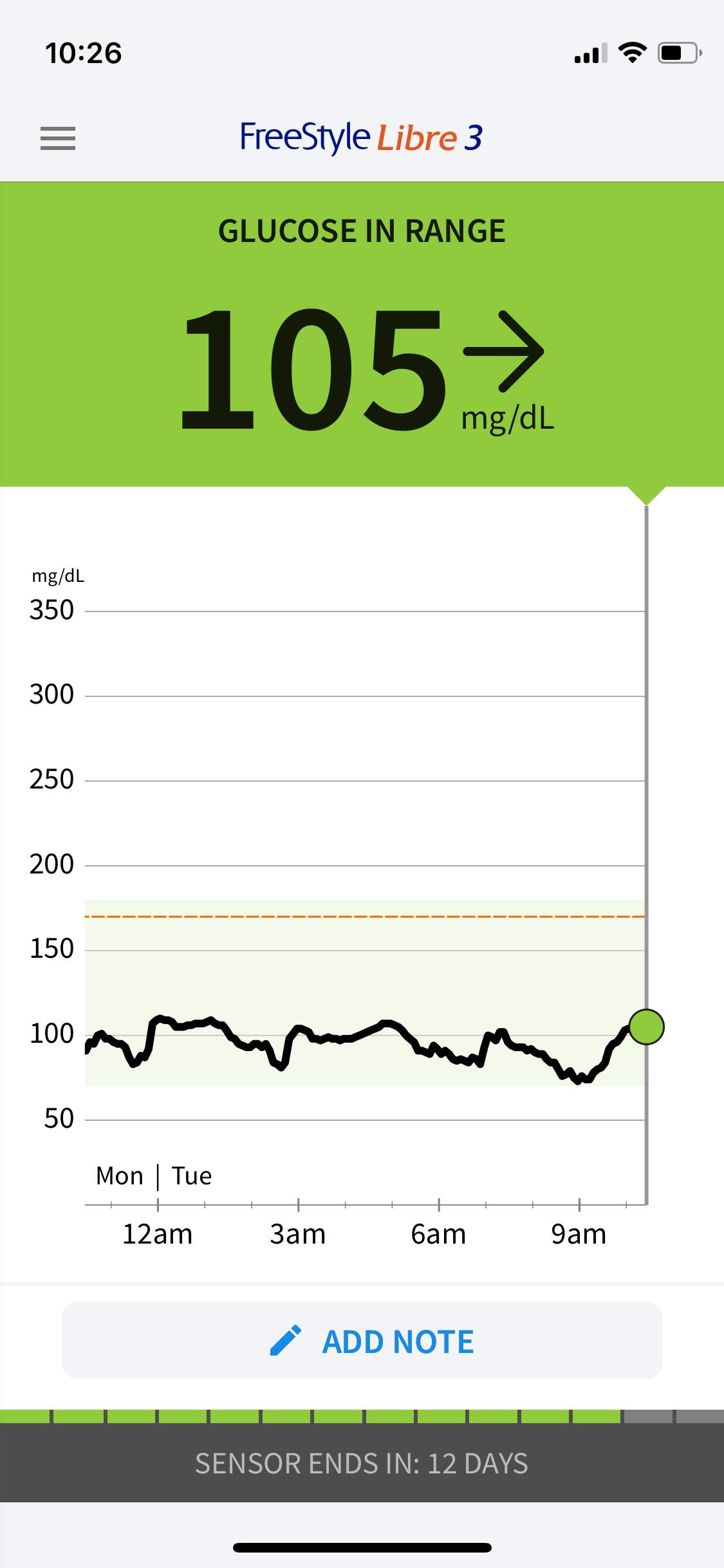
I was a very happy user of the Dexcom G5 and G6 CGM. If you read anything here you likely know I’m not a fan of the G7 – too many lost signals and that atrocious overpatch. So several weeks ago I switched to Abbott’s Libre 3 and frankly it’s working pretty great so far. Yes, there’s an occasional lost signal, but far, far, far fewer, it’s just as accurate for me as Dexcom, so tiny that I forget I’m wearing it, and it uses the smallest amount of adhesive that’s also the strongest. It stays on throughout the entire 14 day wear.

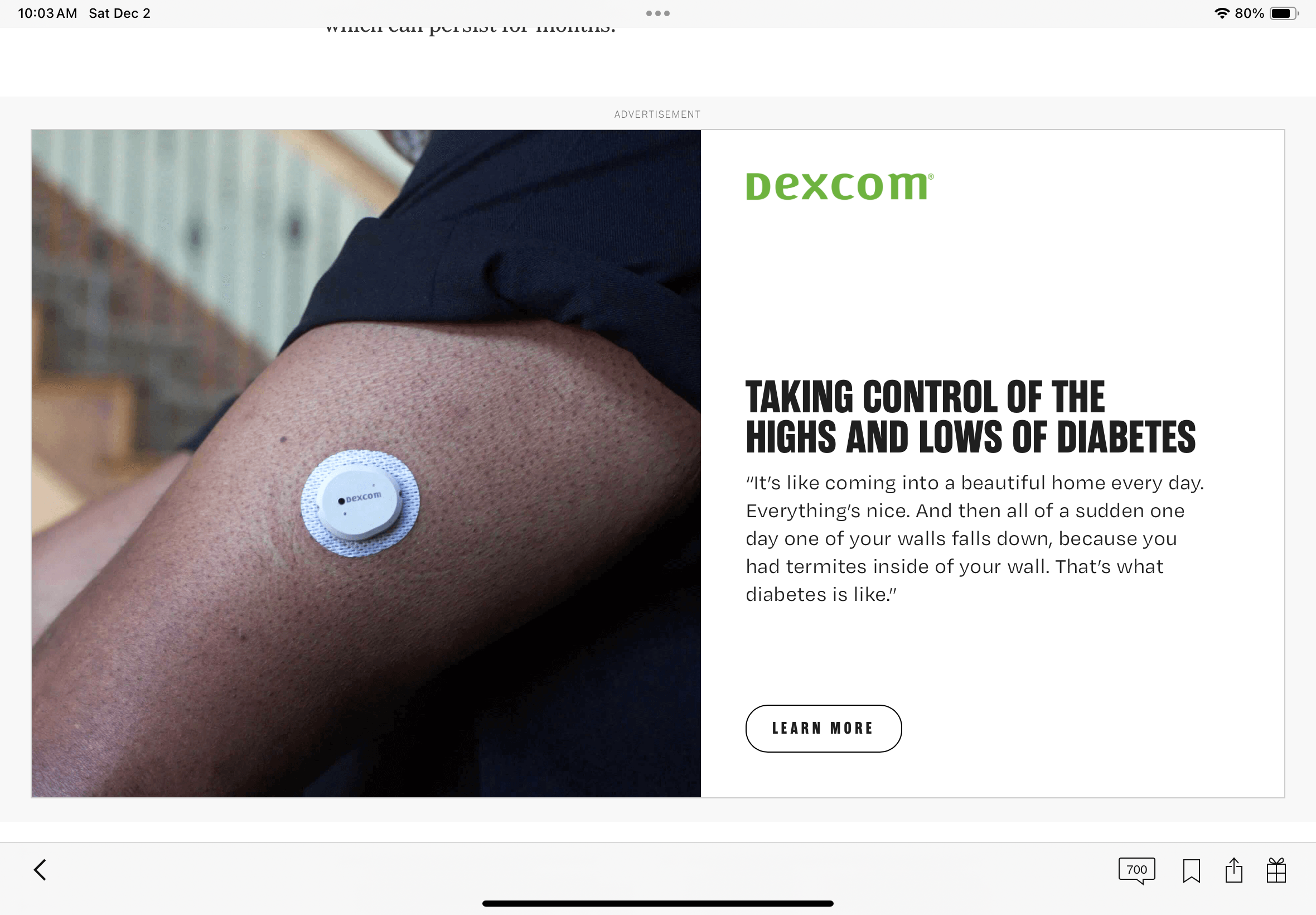
However, while I think the CGM is the best thing to have happened to diabetes after the discovery of insulin, it does not, in any way, shape or form, control it. Or allow you to control it as the ad above indicates. What it does do is expand your ability to influence and navigate, aka manage, your blood sugar: nothing “controls” blood sugar or diabetes because it cannot be controlled.

Thinking we can control blood sugar and our diabetes takes the view that the human body – you – are a machine. As in you can do this and that will happen, precisely. As if I could get a blood sugar of 168 mg/dl down to 100 mg/dl exactly and in a certain time period. As if I could prevent toppling over 140 mg/dl by eating low carb and exercising, which I do, yet I’ve seen my fair share of highs and will continue to.

As a human, with multiple metabolic functions interacting and influencing blood sugar, and as I, and you, daily interact with our often unpredictable world, control is just not possible. So why do we keep telling people to take control as Dexcom assures us you can do with their CGM? I’ve recently written about this in further detail and will post the article here when published.

Meanwhile I’m glad to know “control” has been singled out for phasing out in the #languagematters movement. It’s time we get earnest about it and not continue to set people up for failure giving them the impossible goal of control.

Among the bulk fruits at Costco – me!

Screen Shot 2015-02-06 at 3.05.22 PM


A week ago I got an email from the publisher of Costco’s website for diabetes health information and care. “Would you guest post for us? We’ve become a popular site for our Costco customers.”

Sure. So here’s to sharing with the Costco community – love those big jars of artichokes and cheap Charmin –  what it takes to be healthy with diabetes 42 years – including two secrets you’ll rarely hear. 

For the article, click here.

“Life is a joyful blessing,” a short excerpt from my book, The ABCs Of Loving Yourself With Diabetes

smile Screen Shot 2015-02-07 at 1.41.02 PM

As promised in my last post, I’m going to put portions of my first book here. I will try to do it every Thursday.  

Having the emotional strength and stamina to take care of your diabetes is as essential as understanding how diabetes works and knowing how to take care of it. (Both of which happen to be covered in my two other books.)

I write books because it’s a way for me to share my knowledge and help others do better. I hope these posts provide a little inspiration and help you build your “strengths muscle.”  At least you don’t have to go to the gym!

Excerpt:  

“Living with diabetes is something you learn to do each and every day. On some days you hardly know it’s there. On others, you can hardly forget. But appreciation is what fills our lives with love, joy and deep contentment, even when you have diabetes… 

Diabetes can motivate you to make healthier food choices and improve your fitness. You can take pride in how bravely you are managing it. And, when you’ve lost something, it’s an opportunity to appreciate all the more what you do have… 

Diabetes can be a gift in your hands if you use it to see how many blessings you truly have: loving family and friends, a dear pet, a comfortable home, the use of your body and mind, meaningful work, a favorite hobby, all your simple pleasure, exuberant passions and just the marvel of being you.”

Reflection: Think about, or write, three or more things you are appreciative for in your life right now. Remind yourself of these a few times throughout the day today.