A teen’s desire to “fit in” turned into a company mission

Above one of the many carry bags from Sugar Medical Diabetes Accessories. This post was written by Carolyn Jäger, President of the company, whose fun, fashionable bags and accessories make living with diabetes a little easier – and a lot more organized.

Carolyn: “While I got type 1 diabetes at 13, it was when a friend was having a pancreas transplant, that I turned my once childhood insecurities into a company. 

I was diagnosed with type 1 diabetes (T1D) at age 13, but I had been living in a household with T1D since I was eight, when my sister was diagnosed. My family was familiar with all the needles (and tears) and glucose monitors, which only made the news of my diagnosis more devastating. I knew enough to be scared and upset that I too would now have to give myself shots for the rest of my life. 

Particularly, I hated carrying all my diabetes supplies in “that black medical bag” that comes with every glucometer. It made me stand out but NOT in the way a 13-year-old wants. I carried that bag with me every day, and everywhere – going to the nurse’s office to check my blood sugar, to sports practice, to a friends’ house – and I kept it hidden. It seriously clashed with my 13-year-old fashionista style! (Well, at least I thought I had style back then.) More than anything, I wanted to fit in. Forget it! I began to resent having type 1 diabetes.  

Sensing my insecurity, my mother handmade a special bag for my supplies. It was stylish; it had pink fabric and green turtle patches sewn on it. The bag not only suited my presumed sassy style, but it made my life easier. The bag grew my confidence, I even grew comfortable enough to check my blood sugar in front of other people. My mother’s gift also started something I would continue: through the years I sewed my own fun diabetes supply bags for myself.

Then, after I had my first son, a close family friend who had serious complications from diabetes had a pancreas transplant. It rattled and changed me. I became over diligent about testing and tried to prevent myself from ever having a high blood sugar. I constantly corrected my insulin pump in fear of what complications could someday come my way. 

I knew how important good glucose was in controlling diabetes and in preventing complications, and I fiercely wanted to encourage others to check their blood sugar more often. I never wanted to see anyone else suffer as my friend had. 

When I shared my desire with my doctor, he explained that many people put themselves at risk because they don’t carry their supplies with them. They feel it’s “too hard to carry everything” or they’re embarrassed by the “medical” looking bag. I realized I wasn’t the only person with diabetes who felt self-conscious about carrying “that black nylon bag!” So I couldn’t be the only person who wanted something better than what was offered free with every glucose meter. 

That’s when it dawned on me that I could help others take better care of themselves. I could encourage them to have their supplies close at hand by doing what I did growing up: create a line of bags that look the opposite of “medical” bags, that are fun, stylish and functional. And that’s how Sugar Medical began. Having had a career in retail, and as a buyer for a department store, it turned out I had good training to launch this company, in addition to my childhood bag making career.

Today, 32 years after my diagnosis, I am much more confident about living with type 1 diabetes.  I grew to understand that I do not need to hide my illness from others: it is a part of me. I wear my pump proudly on my hip and I have no problem checking my blood sugar in front of people. 

I wish I had been this confident as a teenager, but if I had, Sugar Medical probably never would have happened, and I’m glad it did. I, and all who work with me, want to make life a little easier for those of us who live with type 1 diabetes. I won’t be embarrassed to say, take a look at our bags and see if one doesn’t seem perfect for you. It just may be your inspiration to take your management to the next level.”

Carolyn Jäger, President

Our Mission

Sugar Medical encourages more frequent blood glucose checking with diabetes supply bags you will not feel embarrassed to carry – or show off! Sugar Medical gives back to the diabetes community donating yearly to the JDRF, Beyond Type 1 and the College Diabetes Network. We also participate in the walks and events hosted by the JDRF and ADA and support our own community in Midlothian, VA: last year we donated $1.5K to Chesterfield County Food Bank and plan to continue to support this charity. 

The syringe that missed the mark (and quality check)

Judging from the left side of this syringe, I’d get 1 unit of insulin. Judging from the right, more like 2 units. Yes, somehow the stopper was misshapen.

You can imagine my surprise, so here’s a word to the wise: when preparing your shot don’t multi-task. Keep your eye on what you’re doing, well both eyes, and you may avoid an unpleasant mistake.

Cartoon by the enormously gifted Haidee Soule Merritt

Reflections: 49 years living with type 1 diabetes

“Happy anniversary” the husband said, walking into the kitchen where I was making my morning coffee. No, this isn’t our anniversary; this is my anniversary: 49 years with type 1 diabetes (T1D).

How do I feel? Reflective. So much has changed, so much hasn’t: note the finger prick above. Yes, I do use a continuous glucose monitor – Dexcom G6 – but today is the first day of a new sensor session and I had to do an ordinary finger prick while the sensor was warming up.

Diagnosed at 18, 1972

Having diabetes 49 years I often say I benefit from “Historical Gratitude.” Over these five decades, we have so much more information, better, faster, less peaky insulins, extraordinary tech and the bonding and support of online communities. I count all as blessings.

My early days with T1D consisted of originally being wrongly diagnosed – with type 2 (after all I was 18, not 8), urine stix to get a murky blood sugar picture that I’ve since learned was four hours old, and I’d get my blood sugar checked at a lab twice a year (I know, laughable, right? Glucometers would not come out commercially until 1982). The only guidance I had was a ‘diabetic diet,’ that instructed me not to eat candy bars, but I could pile my plate with potatoes or pizza (why not both?), and the commandment to take one insulin injection a day at 8 AM with a prescribed amount of insulin.

I’m sure the first decade living with diabetes my blood sugar was always around 200 mg/dl, because that’s what it always was when I first got my brick-sized glucometer. It required two minutes count down time and a 1/4 cup of blood on the strip. (Well, exaggerating slightly). Yes, historical gratitude.

I could never, during my first few decades with diabetes, have envisioned how this journey would go. I had no thought to write about diabetes, lecture about diabetes, give workshops to health professionals about diabetes. No, indeed. I barely spoke of my diabetes, to anyone. I didn’t know anyone with diabetes and I didn’t think anyone could understand the micro-management type 1 diabetes requires.

It wasn’t until I was thirty-eight years old that I began to let a few people in. That was largely prompted by an ex-boyfriend who, when I woke up in the middle of the night in his flat in London with low blood sugar, he rolled over and went back to sleep on me.

I groped my way through his darkened kitchen (certainly I wouldn’t turn on the light and disturb him, rather I should die of hypoglycemia), until I located a tin of shortbread cookies and sat on the floor, still in the dark, eating them. That was a defining moment: I agreed with myself that my diabetes was a part of me and deserved respect – and yes, we got rid of the boyfriend.

It was only when I was forty-eight years old that a confluence of events turned me in the direction of making diabetes my work. After 25 years in advertising and marketing I lost my job; the company went bankrupt. I also went to a diabetes educator for the first time after having diabetes for 32 years. I was getting married that year and now my health was important to someone besides me. I told my fiancé he should reconsider his decision to marry me as I couldn’t guarantee him an easy journey given my diabetes, but that same man who hugged me in the kitchen this morning said he wouldn’t consider such a thing. Funny, twenty years later he’s not just my life partner, but often my work partner.

The Dutch husband

I began this career interviewing people with diabetes to hear their story. Then I began writing books, then articles, including seven years on HuffPost. Then I zig zagged for ten years across the country speaking to fellow people with diabetes as a peer-mentor. Then I began to be invited to speak at conferences.

Each year I would say, “I’m in the first year of my twenty year overnight success,” “I’m in the fourth year of my twenty year overnight success,” “I’m in the ninth year of my twenty year overnight success.” Well, you get the idea. 2021 marks the eighteenth year of my twenty year overnight success. Apparently only two to go.

I didn’t set out with clear objectives when I began this diabetes work journey. It was actually the ever-supportive husband who said, “Why don’t you write about living with diabetes since you’re a writer,” and well, that set my boat out to sea, in the best way. I think my inclination to connect with people, to want to hear their stories and give back something of value made speaking on stages natural for me who grew up oh, so, shy.

I haven’t any regrets. I adore this rich and generous community of fellow patient advocates and health professionals – and I’m not done. Right now I’m working to help people with diabetes ‘let themselves off the hook’ by sharing how, through the lens of neurobiology and complexity science, we cannot “control” our blood sugar. It’s almost arrogant to even think we can if you consider the body’s countless hidden processes and life’s unpredictability and uncertainty.

When I share this with people who have diabetes they tell me they feel liberated. Since I believe the relationship between patient and health professional is foundational to doing well with diabetes, I am sharing this understanding also with those who treat us. It is far better to develop skills to succeed with reality than judge yourself a failure trying to do the impossible, and then give up.

As for the personal journey with type 1 diabetes, frankly, at this point I don’t know who I’d be without it. That doesn’t mean I don’t welcome a cure. But while diabetes doesn’t define me, as many say, it has shaped me. It’s made me healthier as I take good care of my eating, exercise and stress, probably made me more compassionate, definitely made me more brave and bold, and fulfilled my early desire to help people believe in themselves – I just didn’t know when I was twelve, writing that in my diary, that it would have anything to do with diabetes.

I recently found an excerpt from a letter I was asked to write last year to my diabetes from 48 years out:

Dear Diabetes, 
I wish I could go back 48 years! I’d tell that doctor who told me all the horrible things you’d bring me what’s happened. He scared me half to death but we’ve become good friends. Can you be a pain in the butt? You bet.

But I know taking care of you has kept me healthier. You’ve given me an incredible career writing books and articles and standing on stages across the world inspiring people. You sure want a lot of attention, but you can bring something positive into our life too. I wish I could tell that doctor that.

Amen. Three years ago I applied for my 50 year medal from the Joslin Diabetes Center and I told the husband where we’re going to dinner to celebrate. Ah, dining out. I have historical gratitude for that too.

Dr. Richard Bernstein warns of hypoglycemia as a result of the vaccine

This will be brief. I caught a two minute video put out by Dr. Bernstein, author of The Diabetes Solution, and long time advocate of low, low carb eating, on Facebook. He was talking about how the COVID-19 vaccine affected him. He said for almost two days afterward his blood sugar was exceptionally low, he had to drink 5 glucose drinks in a day. While he advocates getting the vaccine, he cautioned people to be alert and monitor your blood sugar.

Scrolling through the comments it appeared about half the people who have gotten the vaccine also experienced low blood sugar for a day or two after being vaccinated. A quarter seemed to go high and the remaining quarter seemed to have no affect. So, as all things diabetes, YDMV (Your diabetes may vary).

Just a word to the wise to monitor your blood sugar after the vaccine and be prepared for anything.

Type 1 diabetes included in COVID-19 vaccinations in NY

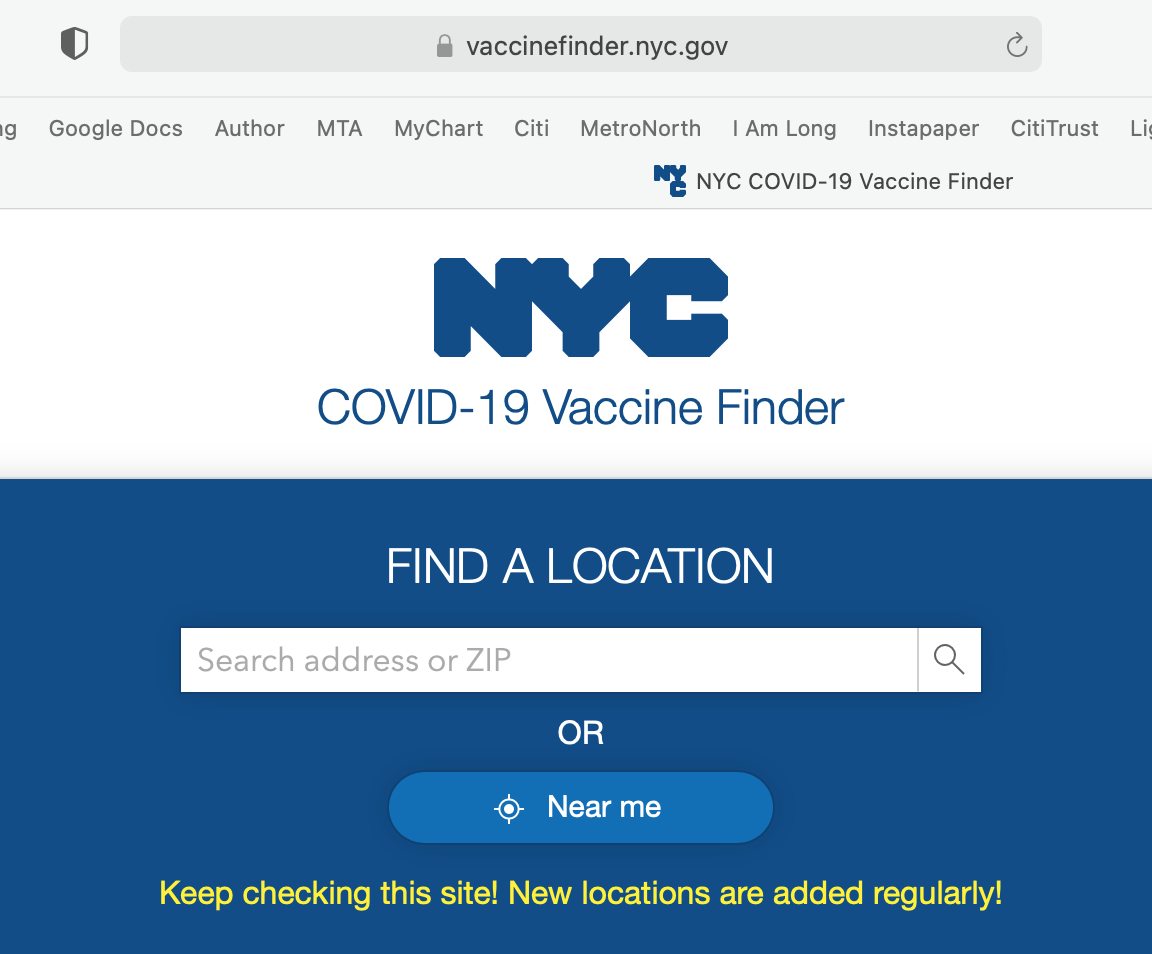
I’m pretty sure it depends what state you live in, but for those of us in New York, Governor Andrew Cuomo has included type 1 diabetes in the list of conditions (see end of this post) for which you can “try” to get a vaccination starting January 15th.

I say “try” because as you likely know, at least in New York City, it’s been a frustrating exercise. Websites crashing and freezing with millions of people competing for short supply.

I am pretty confident this will straighten out over the next several weeks, so while at 67 years old I am approved on two counts to get the vaccine – age and T1D – I’m sitting back a bit until the supply catches up with the demand.

If you’re in New York State, adults of any age with these conditions below, due to increased risk of moderate or severe illness or death from the virus that causes COVID-19, are eligible for the vaccine:

“Cancer, Chronic Kidney Disease, Pulmonary Disease, Intellectual and Developmental Disabilities, Heart Conditions, Immunocompromised State, Severe Obesity, Pregnancy, Sickle Cell Disease or Thalassemia, Type 1 or 2 Diabetes Mellitus, Cerebrovascular Disease, Neurologic Conditions and Liver Disease.”

Maybe Randy Rainbow best expresses my gratitude –

The importance of glucose management in the hospital and how poorly it’s done

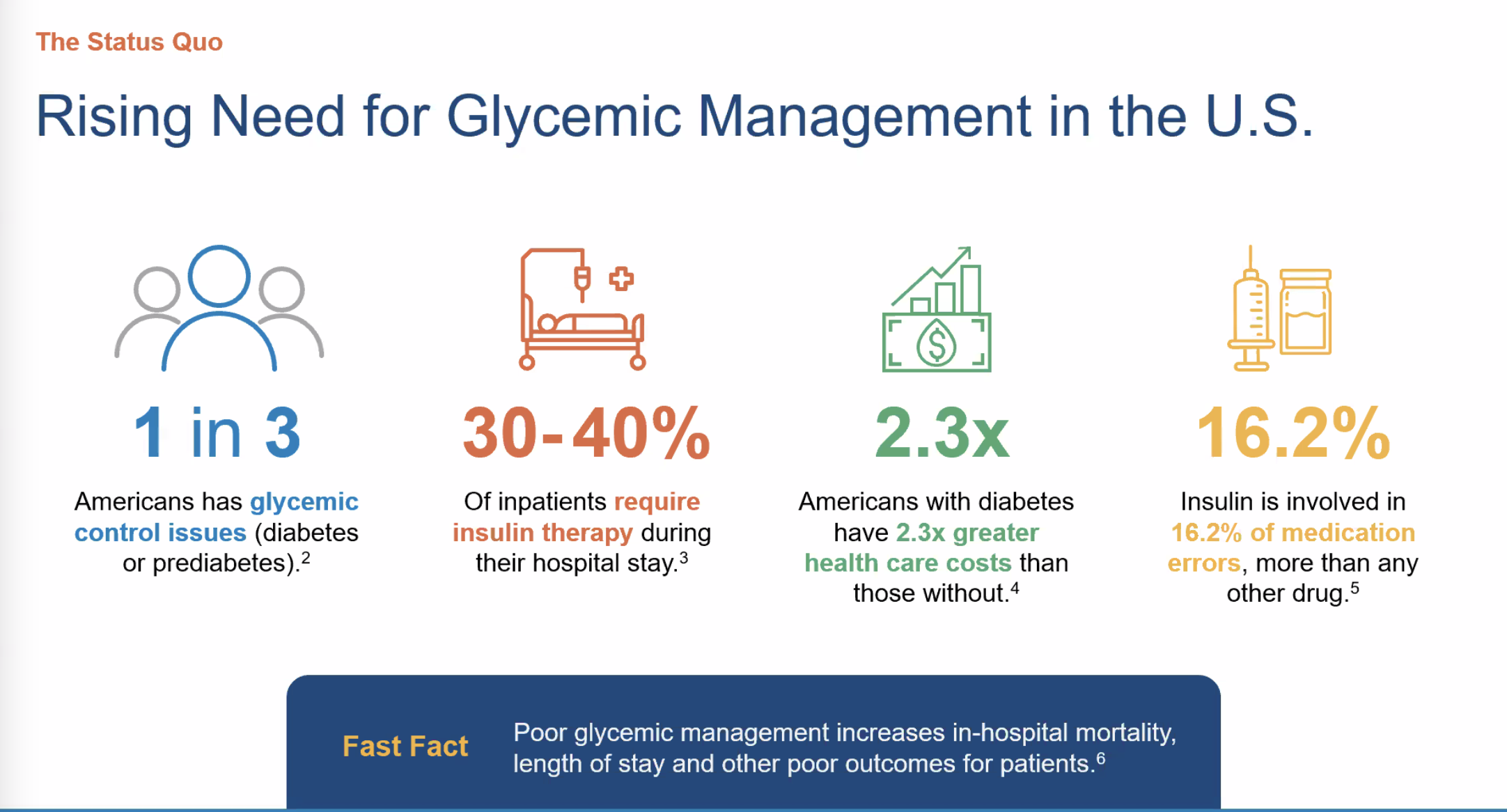
You probably know people with diabetes, both type 1 and 2, are 3-4x more likely to have severe outcomes from COVID-19 if they end up in the hospital. This situation is worsened by the fact that hospital care does not score stellar marks for helping us keep our blood sugar in range.

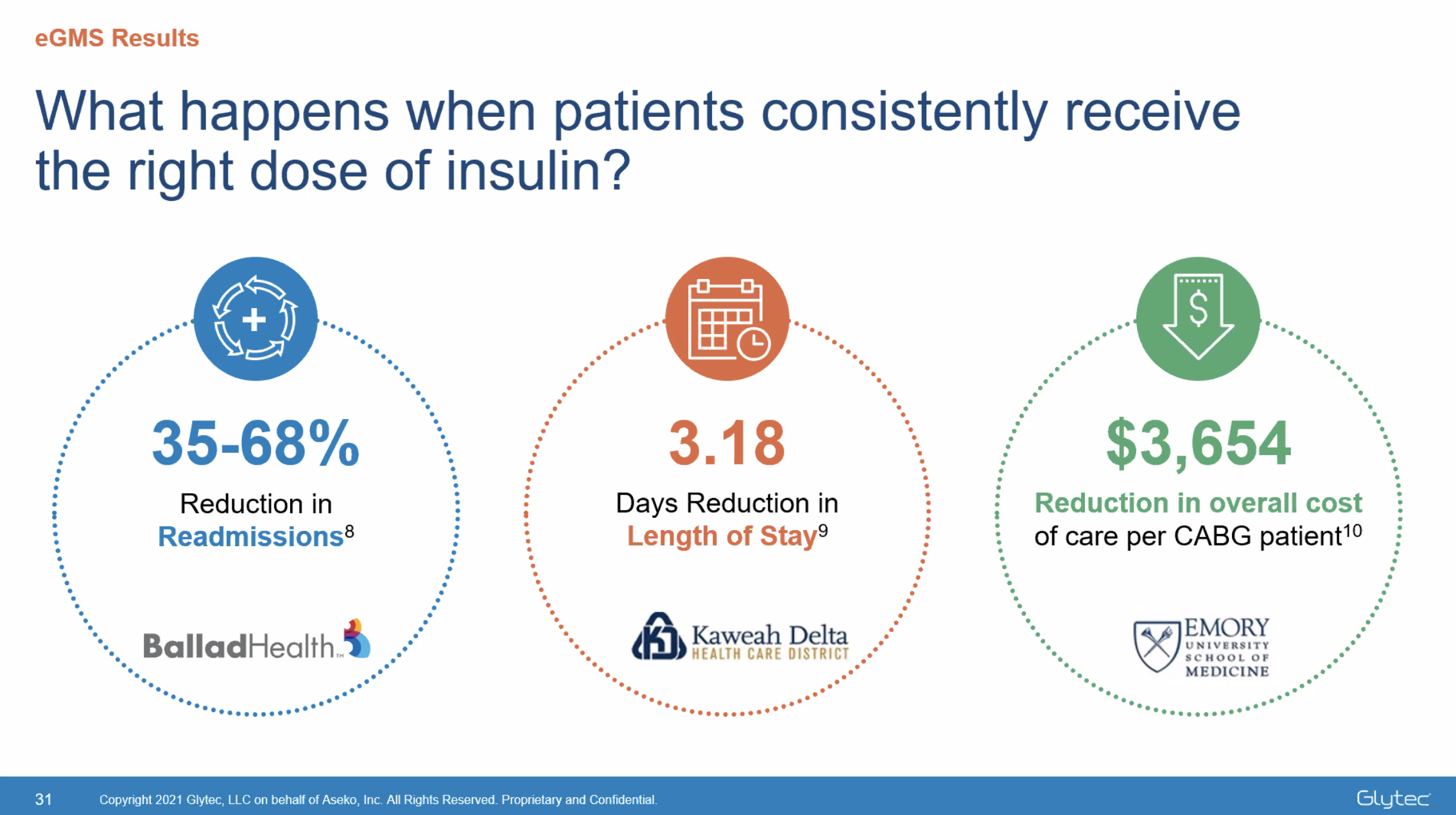
I attended a Glytec webinar about just this the other day. Glytec is a software company in the business of helping hospitalists manage patients’ glucose in the hospital. I took a screenshot of just a few slides that make the major point – if you end up in the hospital with COVID, or frankly for any reason, if you can, keep your blood sugar management in your own hands and have an advocate argue that with you if necessary. Chances are they’re not yet using Glytec’s software.

It also pays to have a letter from your doctor stating your condition, medicines you take and that if you are capable, you should be the primary person to manage your blood sugar.

Dip into an informative and inspiring Diabetes Summit today and tomorrow

Linda Wadud is a nurse/ADCES (Diabetes Care and Education Specialist), who through her own gumption, decided to host a three day summit earlier this month to help educate and inspire people with diabetes. I was among the dozen or so people she interviewed. The interviews are available for viewing over the next day and a half. Here is the link to register. If it doesn’t lead you to the interviews, after you register you can find them here. (Sorry, somehow I missed this during the original play. So it’s a good thing tomorrow is Saturday ;-)) Once you sign up you can find my interview here.

Among Wadud’s experts are doctors, including Neal Bernard, Joel Fuhrman and Steven Masley, chefs and nutritionists, and fellow people with diabetes sharing their story.

I just listened to my colleague, Dr. Phyllisa Deroze, sharing hers. Although I have seen Phyllisa more than once at various diabetes conferences, I never knew that she was misdiagnosed with Type 2 diabetes and it took 8 years before she was properly diagnosed. She begged her doctors for a year, who turned her down, to run an antibody test, whereupon she discovered she had LADA (Latent Autoimmune Diabetes in Adults) all along.

LADA is a slow progressive form of type 1 diabetes. Just when she was tested, she had completely stopped producing insulin, and went on an insulin pump. The story will make your blood boil. As did learning from Phyllisa that we may have as many as 20% of people with LADA misdiagnosed with Type 2 diabetes. The consequences are high: you are put on wrong medicines causing inability to manage your blood sugar and the exhaustion from constantly “failing.”

So have a listen. I guarantee you’ll learn something and feel better just knowing you’re not alone.

Once again noted as a favorite T1D blog

I never take it for granted that those in the field appreciate what I do. Thank you Diabetes Self-Management for naming this blog among your 21 favorites. And thank you for supporting me by coming here time and again.

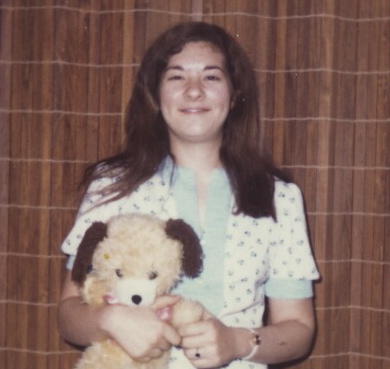
I was diagnosed at 18 in 1972, (photo above) pre-glucometer, pre-much of anything. Luckily I can say nearly fifty years later, ‘I’m still kicking.’

Should you like to take a look at the other 20 blogs they singled out this year you can do so here.

Poor glycemic management – first 48 hours in hospital – leads to worse COVID outcomes (Even if you have good blood sugar management at home?)

I have to admit this hadn’t crossed my mind until it crossed my inbox this morning.

“Hi Riva, 

Glytec has just released brand new research published in Diabetes Care, which is the first study of its kind to study the ‘opportunity window’ for treating hospitalized patients with hyperglycemia or diabetes. Findings included:

  • A higher risk of mortality for patients that did not achieve target blood glucose levels soon after being admitted to the hospital.
  • 7x mortality risk for non-ICU patients with severe hyperglycemia after 48 to 72 hours, indicating the need to start treatment of hyperglycemia on admission.

Glytec is offering a webinar Tuesday, February 2nd at 1 PM EDT with those who co-authored the research if you want to learn more. You can register here.

Yes, I did know that people with diabetes who have poor blood sugar management are 2-4x more likely to have worse outcomes if they get COVID-19.

Yet, I had thought I would fall into the other camp, the studies that show people with diabetes, who have good blood sugar management, are no more at risk of getting COVID than those who don’t have diabetes.

Like the Jewish holiday, Passover, COVID would just pass over me and chose someone else. It never crossed my mind that should I get COVID, and end up in the hospital, the poor care I might receive there (few hospitalists know how to manage blood sugar) would be my undoing; my good blood sugar management unraveling quickly under another’s uneducated care.

I often remind the husband should I be in the hospital (this was pre-COVID) you must be my advocate. You must make sure they let me manage my blood sugar provided my brain cells are working. Now I realize how important heeding that directive is.

Addendum: I checked in with my diabetologist expert in Israel, Professor Itamar Raz, about this who said this information is not yet evidence-based and is controversial. And I checked in with my diabetes expert in the UK, Professor Philip Home, who says roughly that if you have had good management of your blood sugar for some time, and no major complications, before contracting COVID you would tend to deteriorate less quickly and you will be less at risk for worse outcomes. So let’s all take a breath.

That said, experts advise you have a letter from your doctor with you at all times that states your health condition(s), medications and that if you are able and prefer, you should continue to manage your blood sugar if in the hospital. For a look at my letter click here.