JDRF has a new name, Breakthrough T1D

I just got the announcement in my email this morning although it was announced on June 4th. The long-standing, original, research and advocacy organization, Juvenile Diabetes (Research) Foundation, has renamed and rebranded itself into Breakthrough T1D. The organization originally began as ‘Juvenile Diabetes Foundation,’ then moved to ‘Juvenile Diabetes Research Foundation’ to highlight its research activities, and then ‘JDRF,’ to recognize that not everyone who has, or gets, T1D is a child.

Medscape has some interesting statistics about people living with type 1 diabetes, for instance the median age worldwide is 37 years old.

This year’s rebranding is to bring more attention to the fact that the organization works on behalf of all people with T1D, regardless of age, and that their broader portfolio of work includes trials and projects that are under the radar like funding devices and biological cures, including stem cell trials and research.

It’s worth a look around their new website to see they hope to accomplish for the future, and where they’ve traveled from to get here. That’s just what I intend to do later today.
The wisdom of living 52 years with type 1 diabetes in a nutshell: Each day is a new day.

In two days, February 22, I’ll be “celebrating,” well acknowledging, 52 years with type 1 diabetes (T1D). Since I got it at 18, I have lived with T1D much longer than not. In reality, I have no memory of what it’s like to live without eye-balling carbs, checking my CGM, thinking ahead what and when I’ll be eating, will I be walking, oops that was stupid, etc, etc, etc.

If you think I have tons of wisdom to offer having lived 52 years with this, maybe I do. It would probably pour out of me if we were having a conversation. But since this is a one-sided conversation, here are my nuggets. Yes, they’re purposefully spare because it’s easier to remember a few things than memorize a living encyclopedia:

  1. Use a CGM if you can. If not, check your blood sugar before and two hours after meals and activity. Look for patterns to know better how to dose.
  2. Don’t beat yourself up for your numbers. Few will tell you this truth: You can’t “control” blood sugar. The body’s biological functions are not within your control, and life is unpredictable. You are responsible for your effort, but not your outcome.
  3. Make diabetes friends. No one else will “get it” the way they will, and those friends will put a little self-love back into your heart.
  4. Acknowledge T1D is tough, constant work. You don’t get any days off. In fact, you don’t make any progress, you just work hard not to digress too far. Not a pleasant thought, but the first time I heard it it rang so true. Given that truth, do the work and go easy on yourself. Celebrate the wins and see yourself in a constant experiment mode.

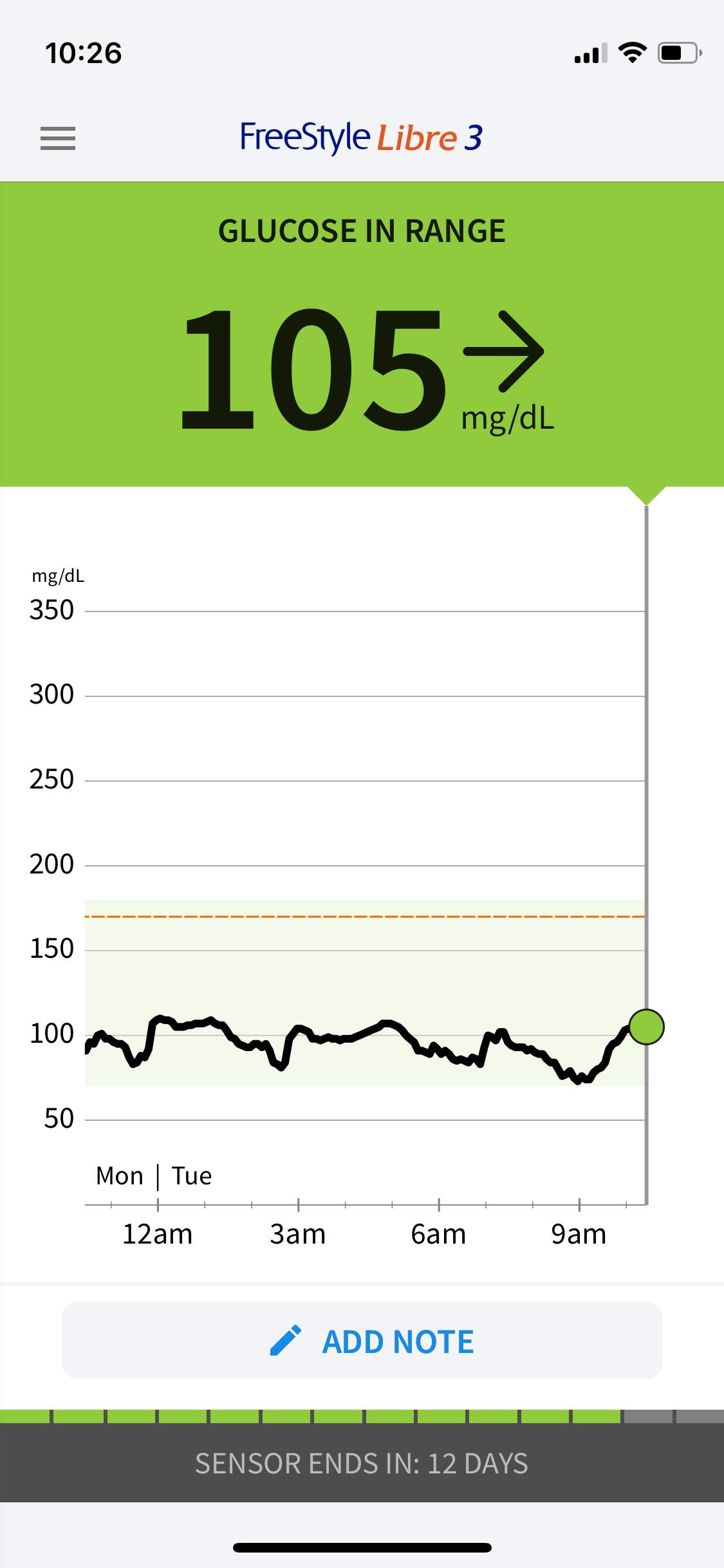
Yes, you thought there’d be five points, but those are the four that strike me this Tuesday afternoon. And here’s my ‘one thing I know for sure.’ When I change my routine, even after 52 years, it’s like I know nothing. Eating and exercising similarly day to day is definitely my special sauce. Case in point:

Routine

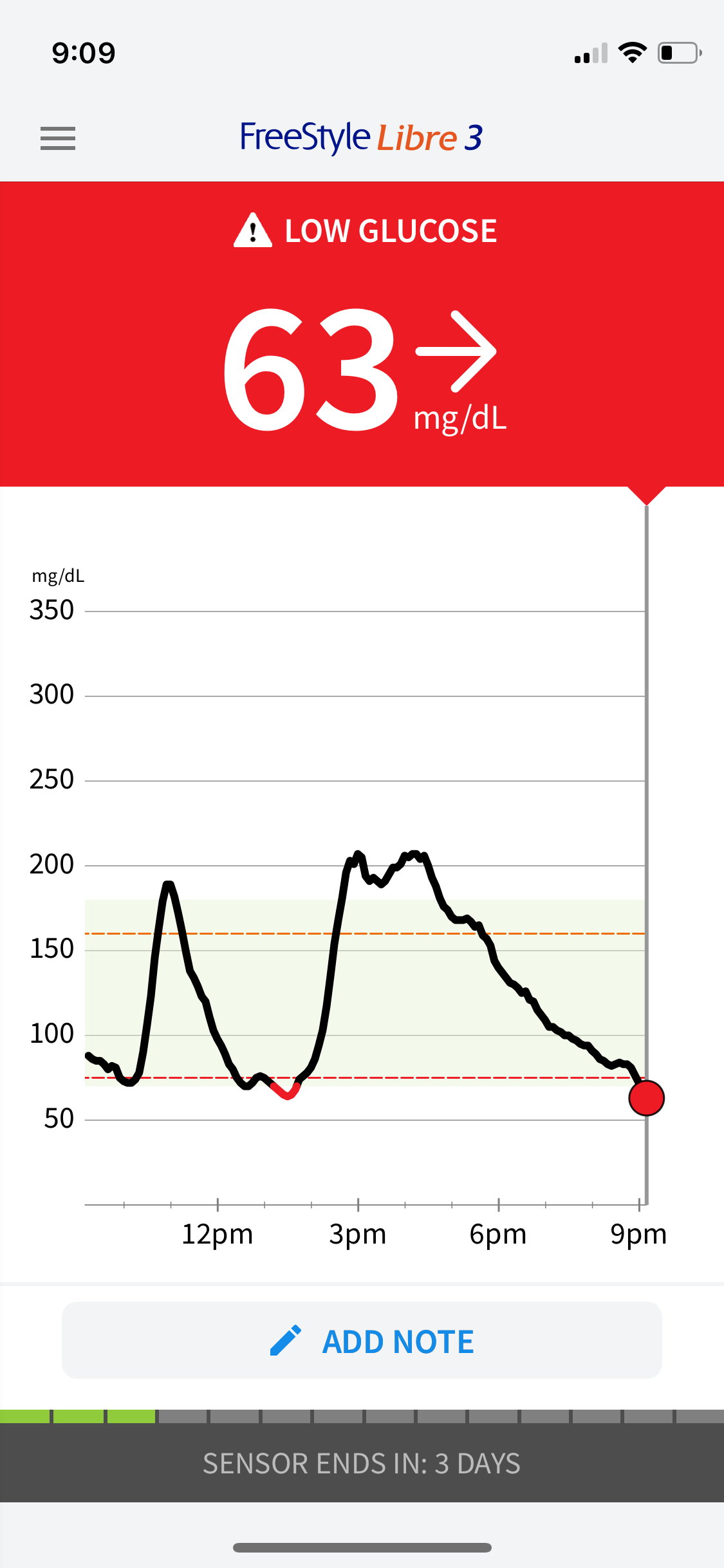
Whereas my recent trip to Costa Rica where my eating and exercise, being different and unpredictable, challenged all my “best” decisions

Closing thought, no matter where you are on this road, you’re still here. That’s a testament to all you’ve done.