I think it’s lovely that diabetes like heart disease, HIV and probably Siberian huskies with pink paws gets its own special day of recognition. If you are doing something to bring greater awareness to what it’s like to live with diabetes, I applaud you. Keep going.
I recently was part of the #dedoc Voices, an incredibly vibrant group of people living with diabetes who gathered from around the world for the recent EASD conference in Hamburg and ISPAD conference in Rotterdam. Respectively that’s Germany and the Netherlands.
I made this mini shout out to how many years I’ve been living with type 1, 51. Not riveting, tis true and no cliffhanger, but hey. And now you know the photo above is the Joslin medal for 50 courageous years.
I will continue to give a shout out to those of us who live with this condition. To help educate, help people get access to vital medicine and help encourage health professionals to treat us like people, not machines.
I do this every day just by living with my condition, I don’t have to be on a stage. Because while it’s nice for diabetes to have its own day once a year, we still have it the other 364, and now that I’m of a certain age that’s over 20,000.
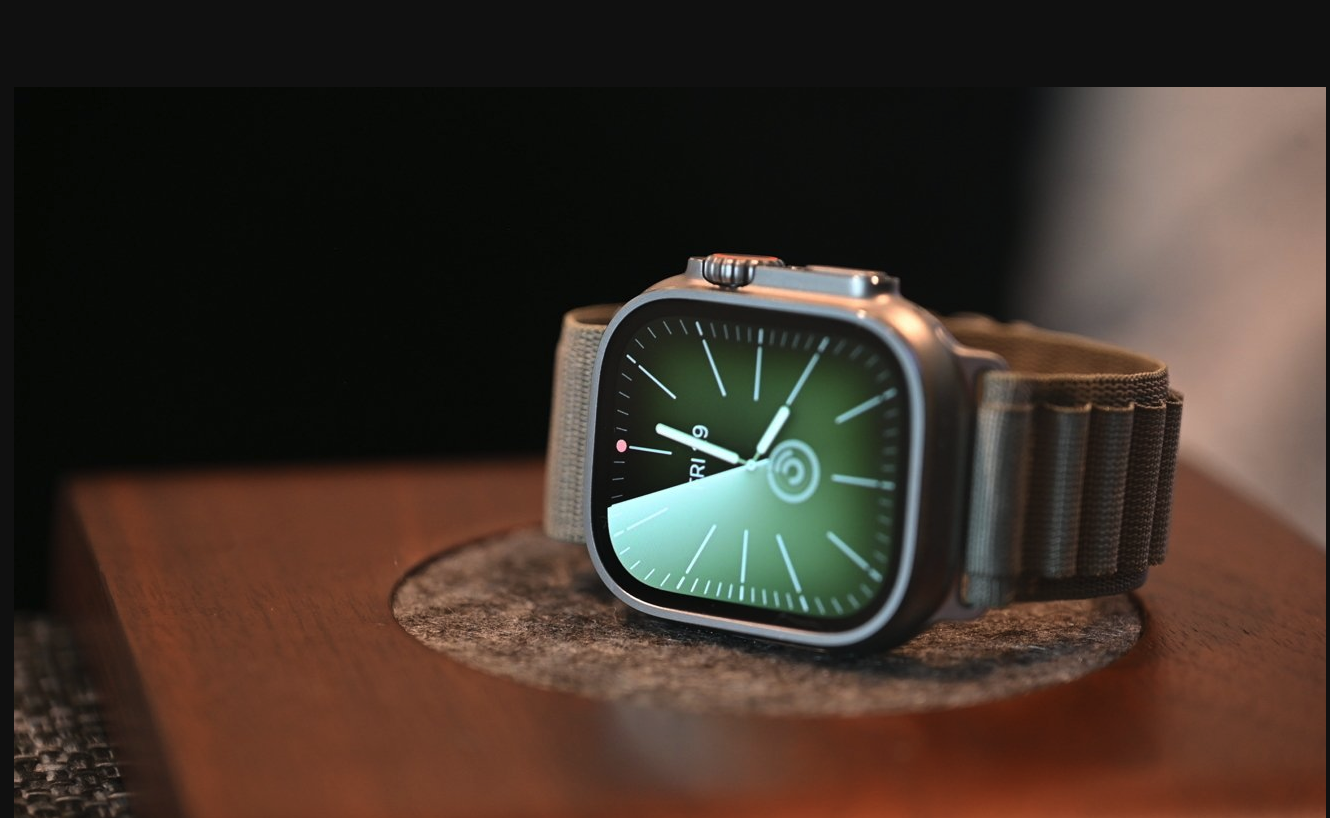
The husband passed this article below on to me . He is a devoted Apple watch wearer and has been for years. The last thing I want on my wrist is a mini computer, and I don’t even wear a watch anymore. But this was a remarkable feat from a very smart watch. At the end you learn about its superpower, Fall Detection.
A Las Vegas man with type 1 diabetes fell unconscious from low blood sugar but was saved thanks to his Apple Watch Ultra dialing emergency services when Fall Detection kicked in.
World Diabetes Day is on November 14, and even though Apple Watch can’t directly track blood sugar just yet, it can help save people in deadly situations. We’ve already covered a story where AFib notifications led to a diabetes diagnosis, but this event relied on another health feature.
According to a report from KSNVshared by9to5Mac, a 40-year old Las Vegas resident named Josh Furman fell unconscious due to low blood sugar, but his Apple Watch Ultra dialed 911. His Dexcom G6 alerts him of low blood sugar due to his type 1 diabetes, but the levels were so low that he fell hard to the floor.
Fall Detection was triggered, and 911 was dialed. It also sent messages to his emergency contacts, allowing Furman’s mother to relay his medical condition to emergency services.
“I don’t know how long I was out for, but when I woke up, the Apple Watch had basically called 911, the paramedics,” Furman said. “But I could not talk. I sounded like I had a mouth full of marbles. 911 could not understand me, but they had the GPS from the watch, so they knew where I was.”
Furman was lucky, as he had the Fall Detection feature set to always on, which is not the default for users under 55. Typically, Fall Detection is only on during workouts.
“I don’t think people know enough about their Apple Watch to realize what it can actually do with the Fall Detection (feature),” he said. “People that are elderly probably don’t know about the Fall Detection (feature). You actually have to turn it on on your iPhone.”
Those who want to turn on Fall Detection or check if it is enabled need only go to the Apple Watch app. Tap “Emergency SOS,” then select the toggle for Fall Detection and tap “Always on” if desired.

 Diabetes Stories