CGMs to be covered for type 2s on insulin

How nice! A bit of sanity and reasonableness in an insane world. Starting July 1st UnitedHealthcare is covering continuous glucose monitors (CGMs) for people with type 2 diabetes who take insulin. The article I read on diaTribe. Dexcom and Abbot Freestyle are the two CGM manufacturers who dominate the US market.

This follows Medicare’s move earlier this year to cover CGMs for people with type 2 on insulin and those not on insulin but who suffer from hypoglycemic events.

It’s not rocket science to understand that when people see, with the use of a CGM, how food and exercise impact their blood sugar, a whole new world opens up to them – making healthier choices. People can immediately see that their actions have consequences. That is a beautiful equation for adopting healthier behaviors and driving down complications and the exorbitant amount of money the US spends on diabetes complications.

Earlier in my CGM wearing history, my husband wore one of my sensors to understand what it was like. He was astonished to discover how much carby foods raised his blood sugar, and he does not have diabetes. After that experience, he followed my eating style to eat far less carbs, and mind you this is a Dutchman raised in bread country, the Netherlands.

This can help many, many of the millions of people, (37 million in the US have diabetes, 95% of whom have type 2) put the power of choice more visibly in their hands.

If you have type 2 and take insulin, watch this 12 minute video below from endo Steven Edelman.

A fave new diabetes book and type 1 diabetes explained

Photo courtesy of Haidee Soule Merritt from her new book, The Sweet Taste of Misery

Haidee is a friend and fabulous cartoonist who uses her pen scathingly to put diabetes in its place – and us in a better place.

The Sweet Taste of Misery is her third cartoon book and I guarantee you’ll find sweet recognition and a new Soule-mate.

Given the fact that New York City is currently suffering from more than 150 Canadian wildfires, enduring the worst air pollution in decades, this cartoon seemed particularly apt.

On the flip side I offer you an article I wrote several years ago for HuffPost, “Type 1 Diabetes Finally Explained”. Every so often something causes me to re-read something I’ve written some time ago. This morning it was the article above.

At the time, it went viral and people told me it gave them a way to talk to family members about what life is like with type 1 diabetes more than anything they’d ever read. That’s about as good as it gets for me.

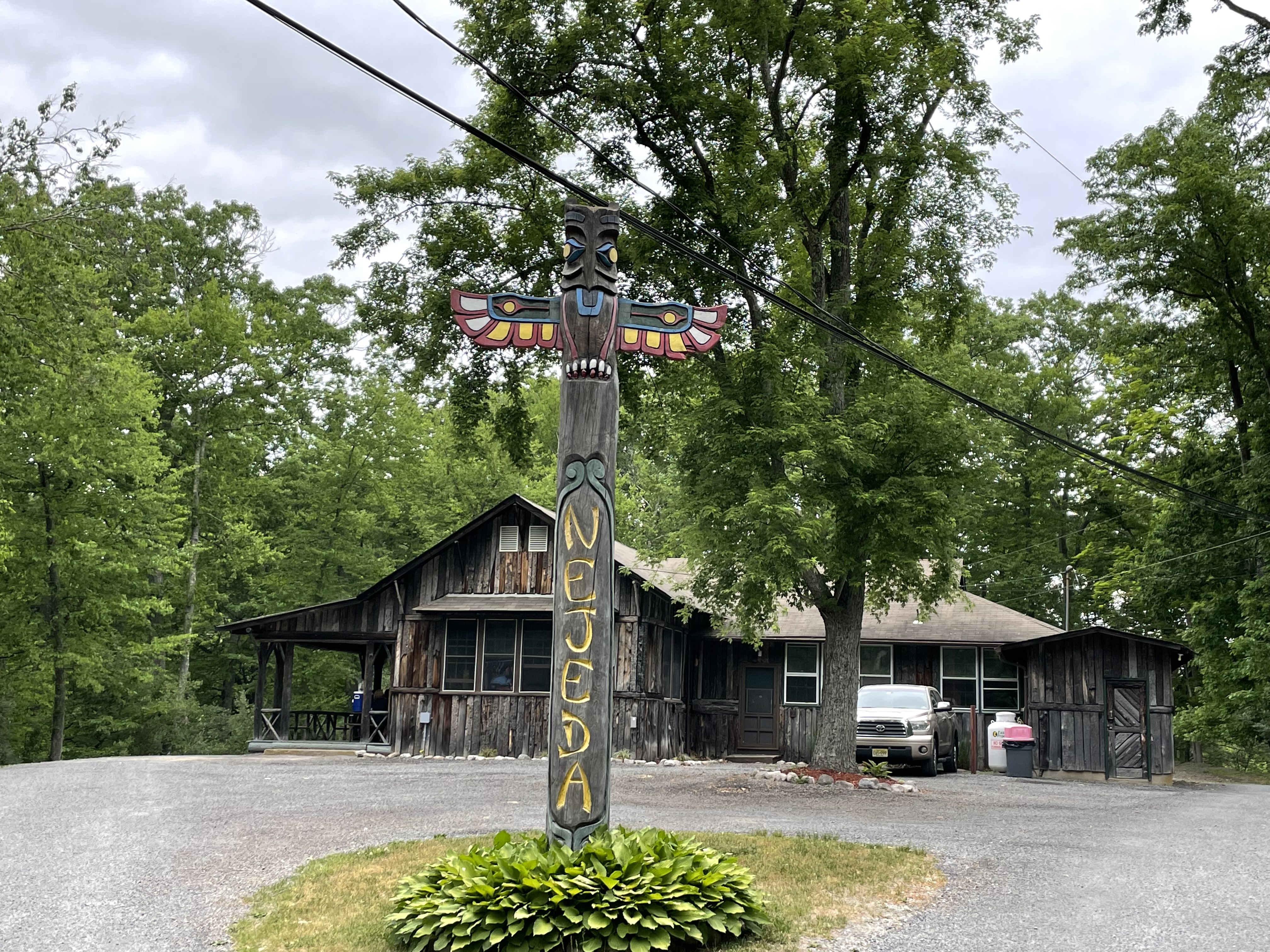
Camp Nejeda’s ‘Survive and Thrive’ weekend for type 1 adults

Having never gone to diabetes camp myself, diagnosed at 18 years old in 1972, I was invited to run a workshop on ‘Increasing diabetes happiness and advocacy’ this past weekend at Camp Nejeda’s Survive & Thrive weekend for adults with type 1 diabetes. Twenty 21 to 70 year old campers got to reflect on something they’ve gained having diabetes, discover their strengths and ponder the meaningfulness in their personal diabetes story.

I arrived Saturday afternoon so I missed the Friday evening bonfire, inspirational talk from power lifter Chris Ruden, and informational lectures from endo Robin Goland. But I did get to enjoy psychologist Ken Gorfinkle’s Q&A discussion on ‘What don’t our doctors know’, a balloon competition, at least I think it was, outdoor movie (what else but ‘Dirty Dancing’?!) and the chance to make new friends (I did).

Of course, what’s just as important at diabetes camp to any activity is the opportunity to let down your hair while letting your insulin pump alarm without concern amidst of sea of pumps. Of course I was told to my face, affectionately, that I’m ‘old school’ when I pulled out my vial and syringe. Well, it takes all kinds, and at camp, all kinds are present and welcome.

What impresses me about Camp Nejeda is how this long-running camp offers a weekend for everyone. For instance there’s BFF Weekend for kids– bring your best friend or sibling with you to diabetes camp. That’s both next weekend and September 15-17th. There’s also a weekend for families. Here’s the summer schedule if you have a child with T1D or perhaps know someone who does. I also believe the camp is looking for camp counselors if you know an older teen who’s interested.

My new camp friend came all on her own and felt perfectly at ease among all the friendly faces. That’s the special magic of being in a place where having type 1 diabetes is the norm, where alarms alarm, insulin T-shirts abound and snacks are everywhere just in case.

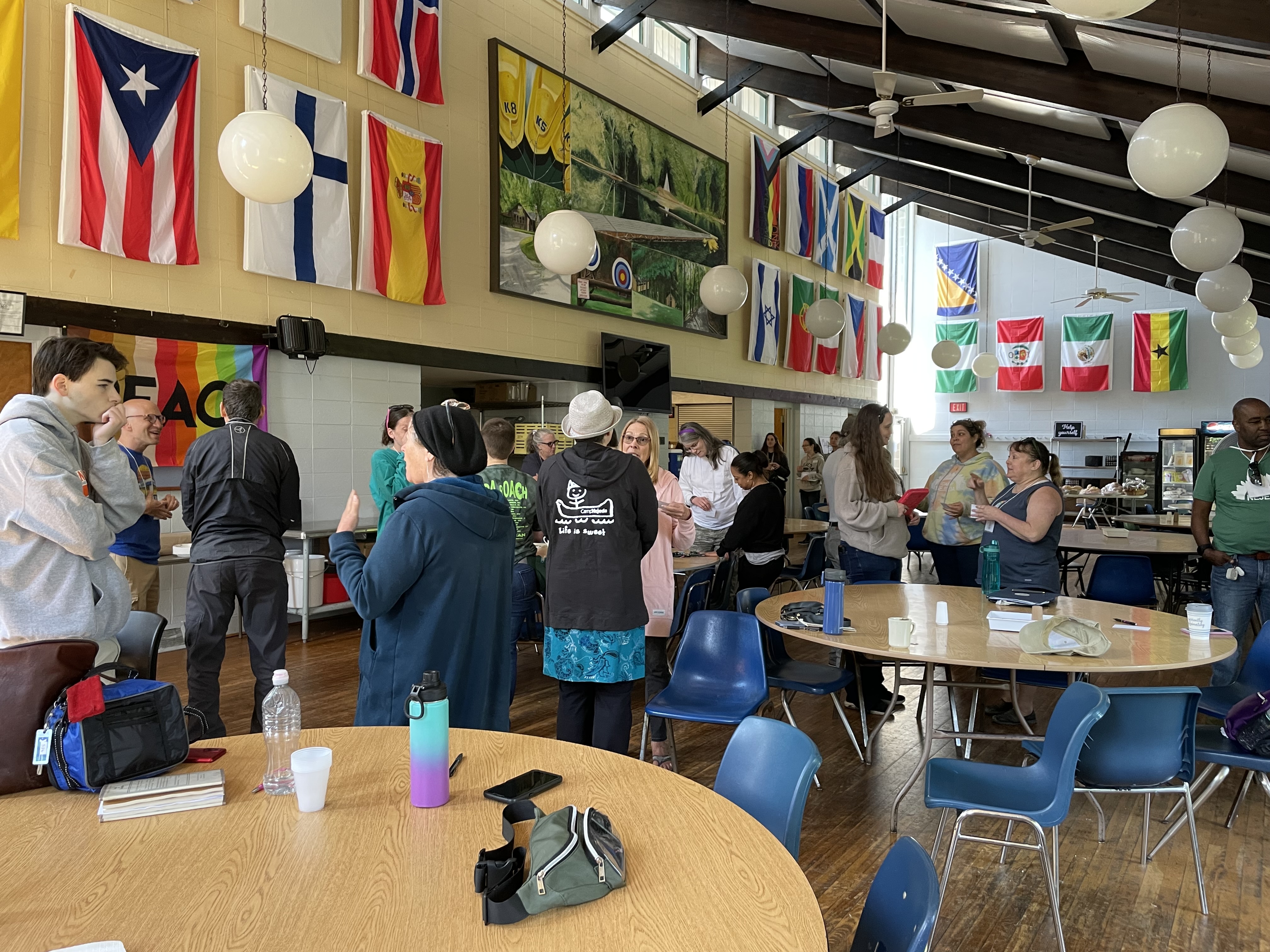
Participants sharing during my workshop in the dining hall below.